
Does caffeine cause anxiety?
Caffeine does not cause anxiety for everyone, but it can trigger and worsen it, especially at high doses and in people prone to panic. Here is the line.
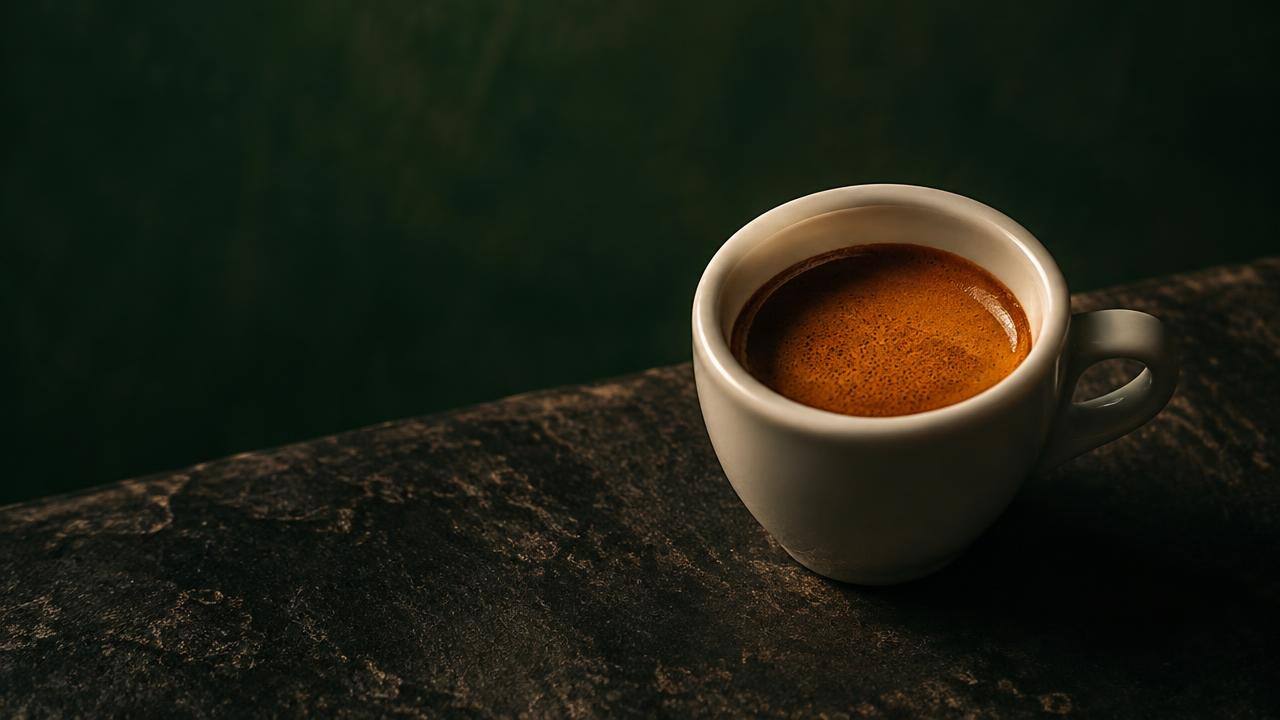
Caffeine does not cause anxiety for everyone, but it can trigger it and make existing anxiety worse, especially at high doses and in people prone to panic. It is a real, recognized effect: the DSM-5-TR lists caffeine-induced anxiety as a condition. Where your personal line sits depends on your dose, your genetics, and whether you already deal with anxiety or panic.
How caffeine drives anxiety
Caffeine is a stimulant. It raises heart rate, can cause jitteriness, and ramps up the body's alertness system. Those physical signals, a racing heart, restlessness, can feel like anxiety, or tip a nervous system that is already on edge into it. For most people at moderate doses this stays in "alert," but push the dose up and it crosses into "anxious."
The dose matters, a lot
The clearest evidence comes from studies of people with panic disorder. In a 2022 meta-analysis, high doses of caffeine (generally 400 to 480mg, around four to five cups of coffee at once) triggered a panic attack in roughly half of people with panic disorder, versus almost none of the healthy controls. Everyday amounts look very different: emerging work suggests a single mild cup (around 150mg) poses little acute panic risk for most people. The gap between those two is where "too much for me" lives.
| Dose (at once) | Roughly | Typical effect |
|---|---|---|
| Up to ~150mg | ~1 cup | Low acute risk for most people |
| 200 to 400mg | 2 to 4 cups | The grey zone; anxiety-prone people may feel it here |
| 400mg and up | 4+ cups | Triggers panic in about half of people with panic disorder |
Who is most sensitive
Three things lower your line: genetics (the same CYP1A2 and adenosine-receptor variants that affect metabolism affect anxiety response), an existing anxiety or panic disorder (caffeine can unmask or worsen it), and the normal daily dependence loop, where feeling flat without caffeine pushes you to more of it. People prone to anxiety often do best well below the general 400mg adult ceiling.
The quiet overlap with withdrawal
One trap: skipping your usual caffeine can itself cause irritability and unease that feels like anxiety. So both too much and too little can leave you on edge. If you suspect caffeine is feeding your anxiety, a one to two week trial of steadily reducing it, not quitting cold turkey, is the cleanest way to find out. A gradual taper avoids the rebound that muddies the picture.
A note on getting help
If you have recurring panic attacks or anxiety that interferes with your life, raise it with a clinician rather than self-diagnosing. Caffeine may be one factor, and it is an easy one to test by adjusting, but it is rarely the whole story. For where general daily limits sit, see how much caffeine is too much, and add up your real intake with the Caffeine Calculator.
Sources
- Klevebrant & Frick, 2022: Effects of caffeine on anxiety and panic attacks in panic disorder (meta-analysis, PubMed)
- DSM-5-TR: Caffeine-induced anxiety disorder (overview)
- FDA: Spilling the Beans: How Much Caffeine is Too Much?
This is a sensitive topic. If anxiety or panic is affecting your daily life, talk with a qualified health professional.
Written by Mike Zagare · Published

Mike Zagare is the founder of Knuckle. He tapered off a 500 to 600mg-a-day habit and built Knuckle from that protocol. Reviewed against FDA, EFSA, and ACOG guidance.
Common questions
Can caffeine cause anxiety?
It can trigger and worsen anxiety, especially at high doses or in people prone to panic. It does not affect everyone the same way.
How much caffeine triggers anxiety?
In studies, doses of 400mg or more at once set off panic in about half of people with panic disorder. Anxiety-prone people often react below that.
Why do I feel anxious after coffee but my friend does not?
Genetics drive both how fast you clear caffeine and how strongly your body reacts to it, so sensitivity varies a lot.
Can quitting caffeine reduce anxiety?
For some people, yes. A gradual reduction over one to two weeks is the best way to test it, since quitting abruptly can cause rebound symptoms that feel like anxiety.
Should I cut caffeine if I have an anxiety disorder?
It is worth discussing with a clinician. Many anxiety-prone people feel better at much lower intakes or none.
Related tools
Related articles
Join the waitlist and get the free quit guide
The Knuckle app opens in Q4 2026. Sign up and we'll send the day-by-day quit guide now, plus one note the day the app is ready.